

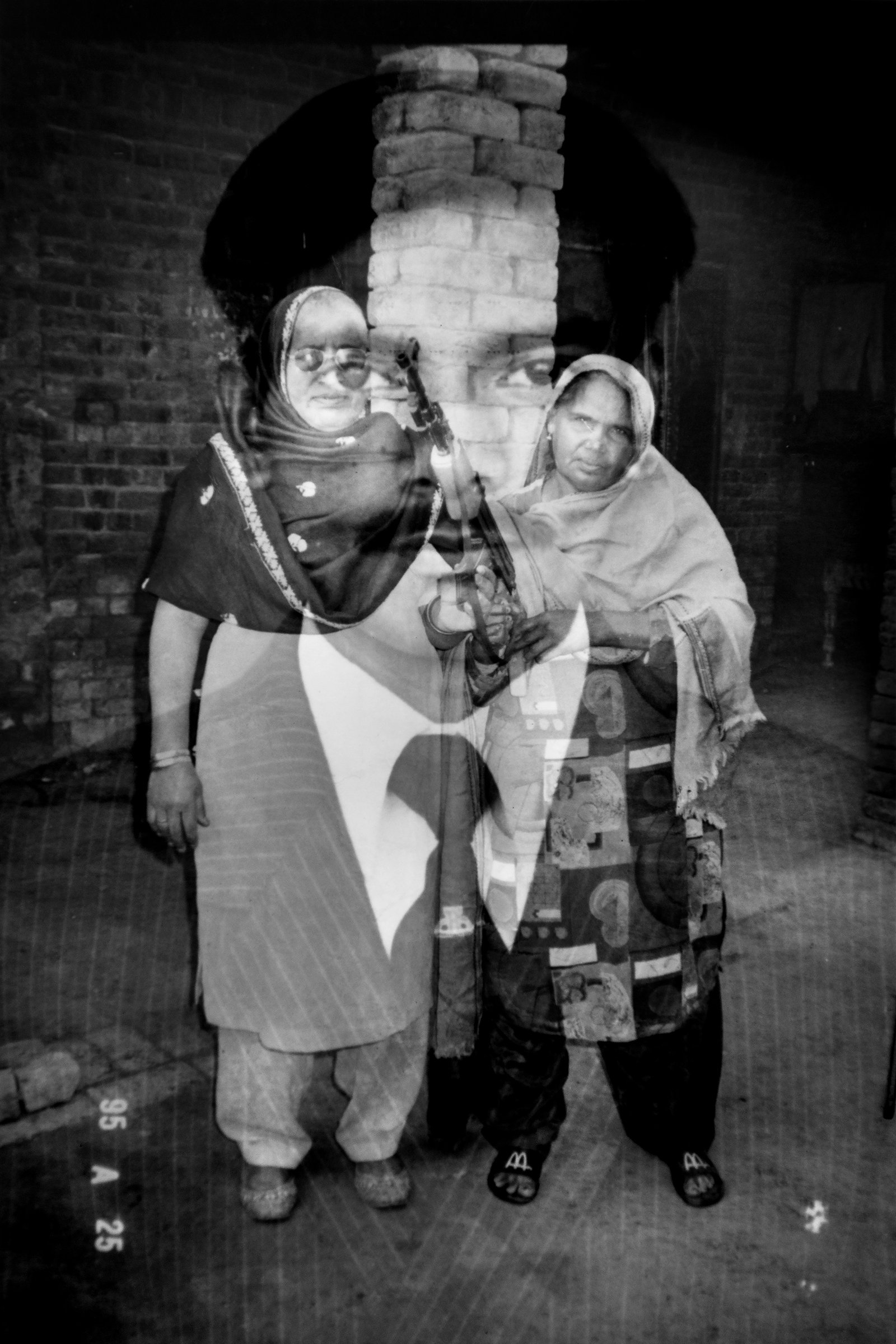

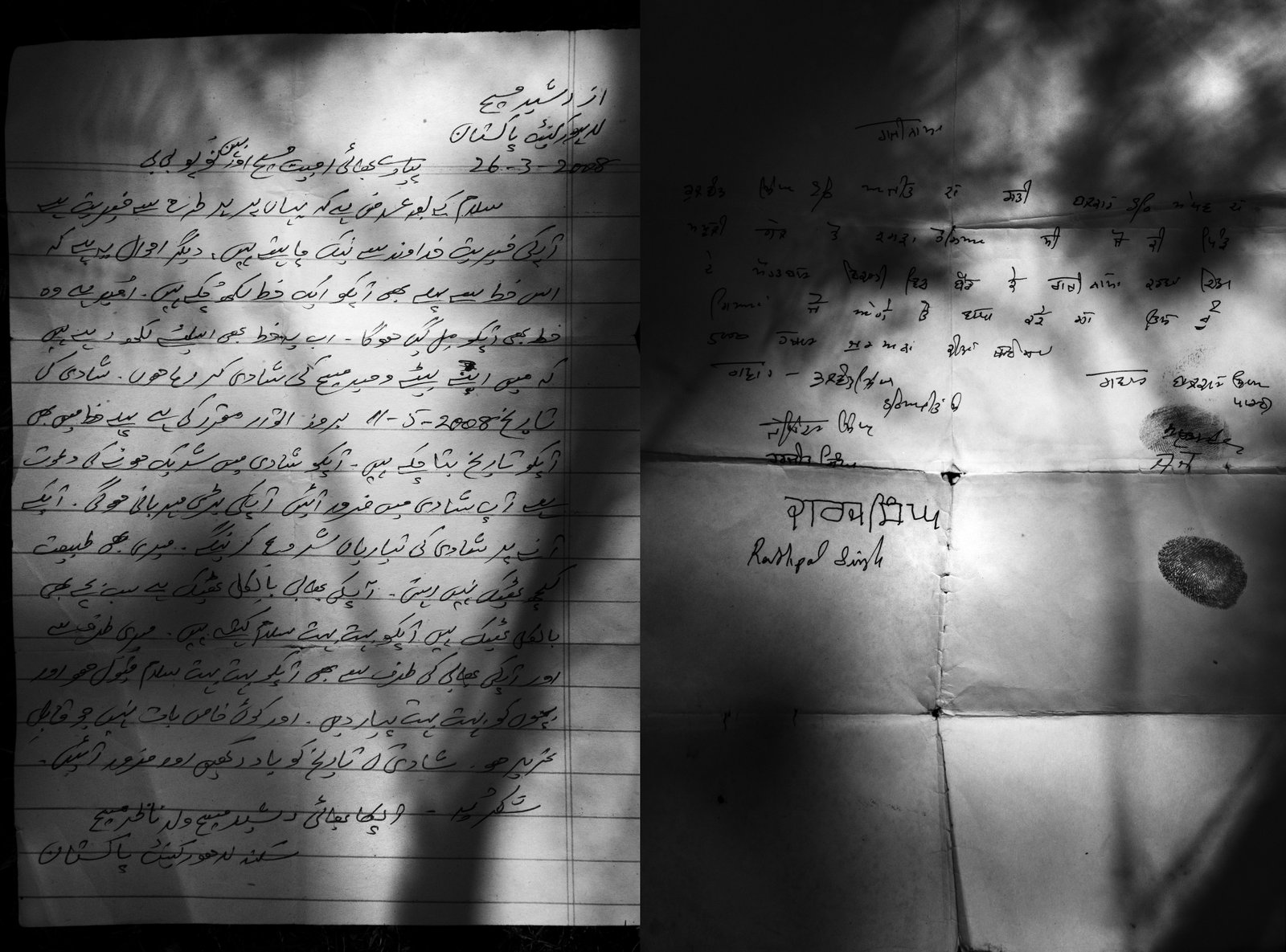
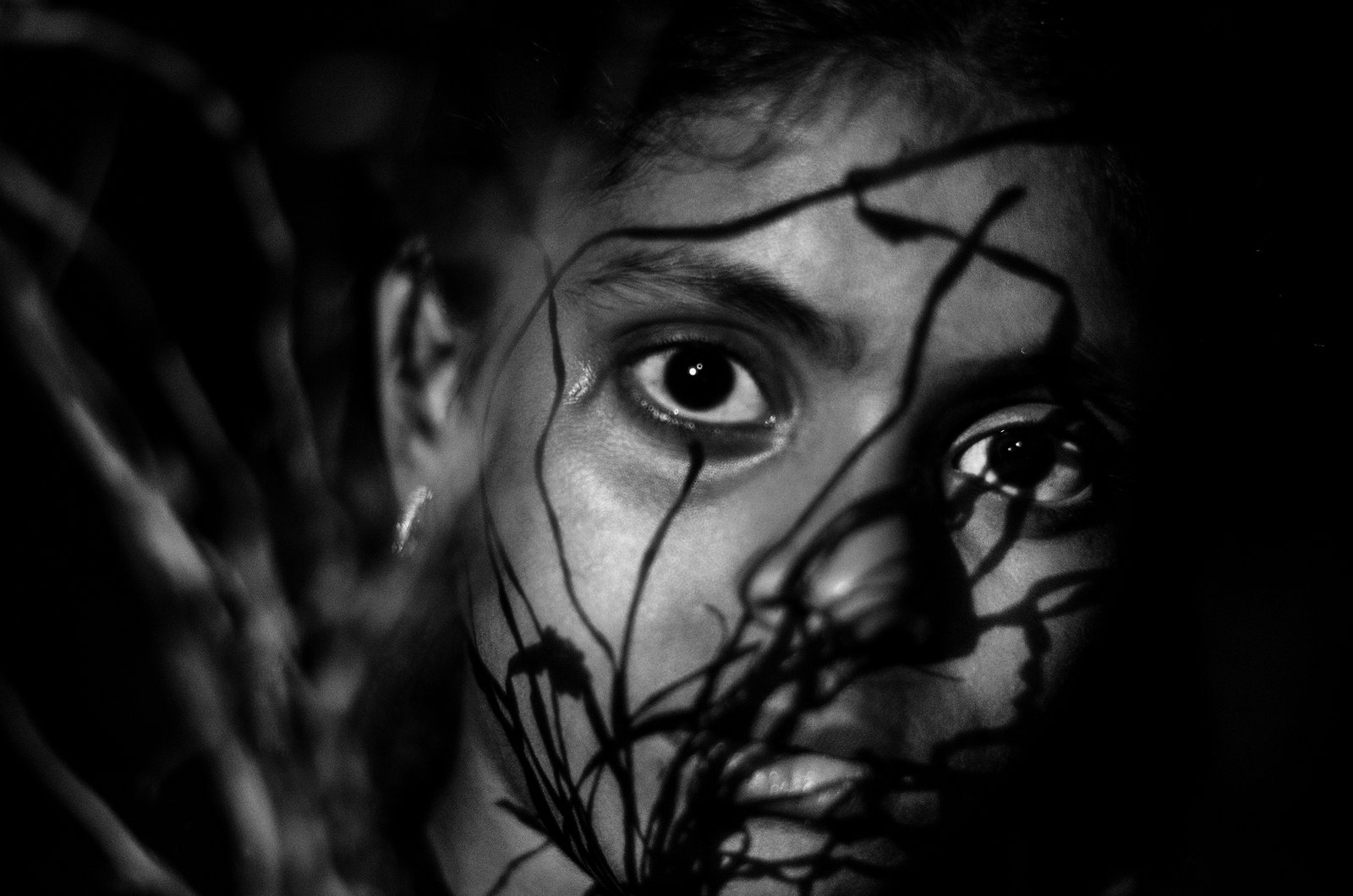


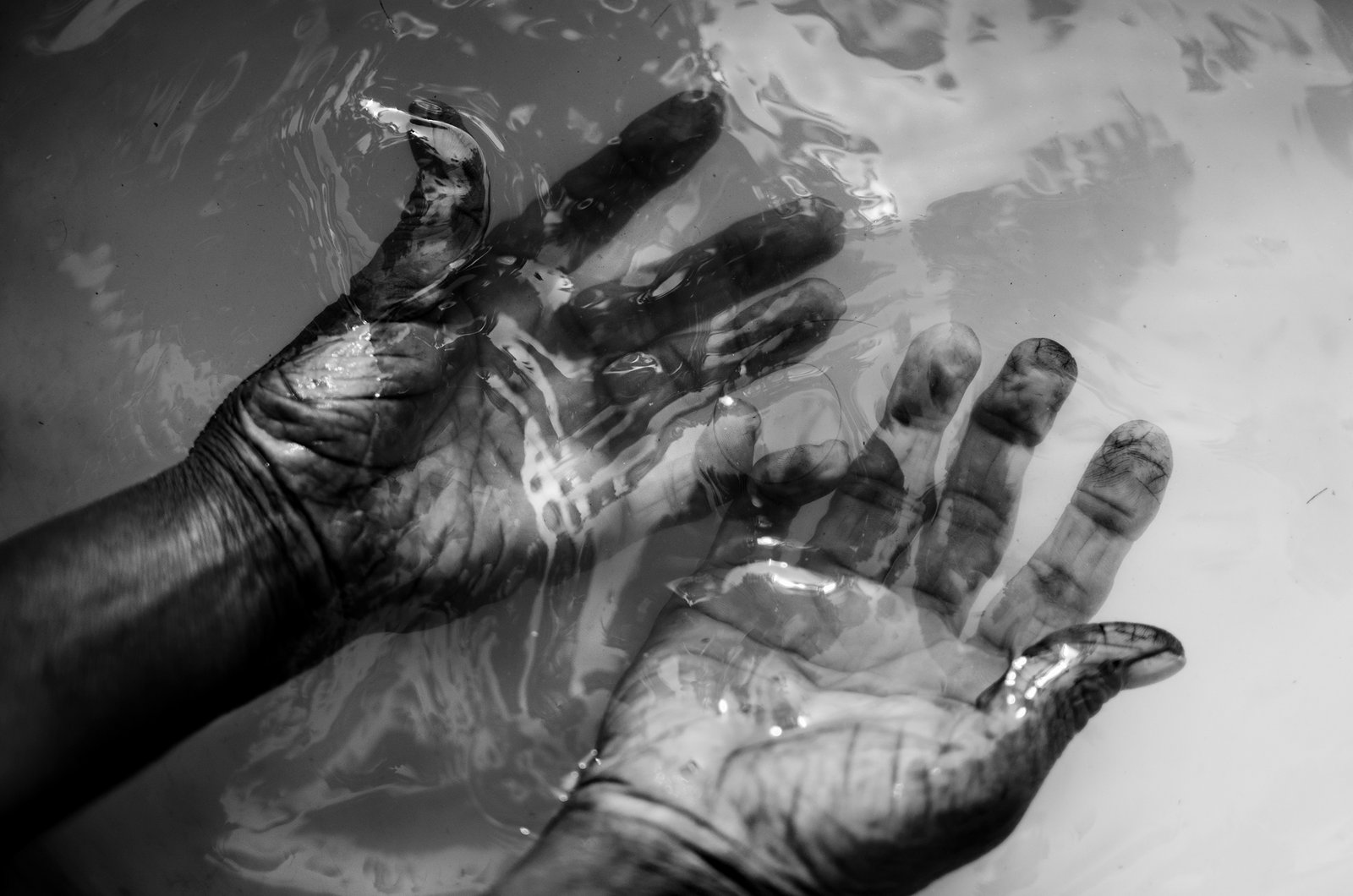

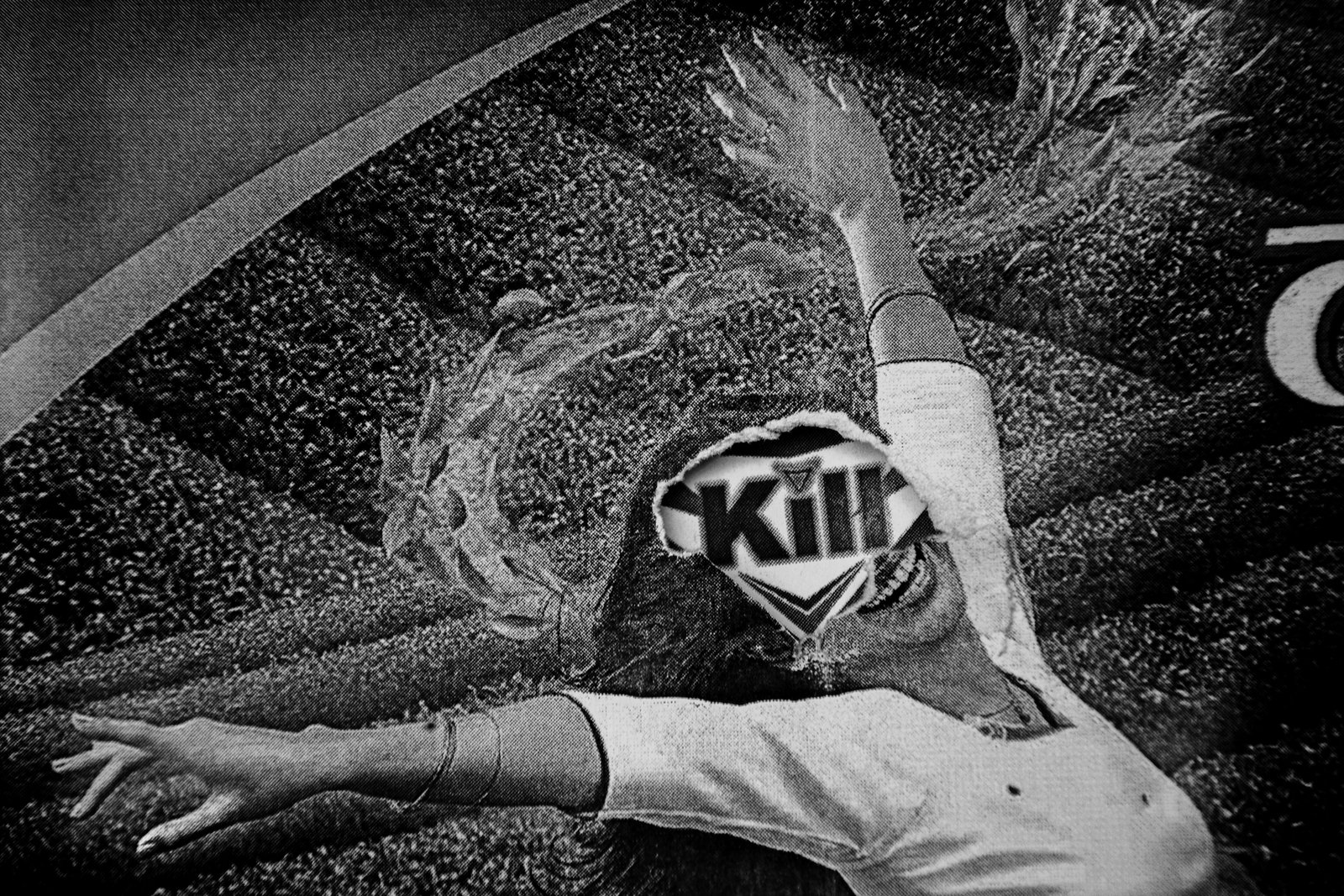


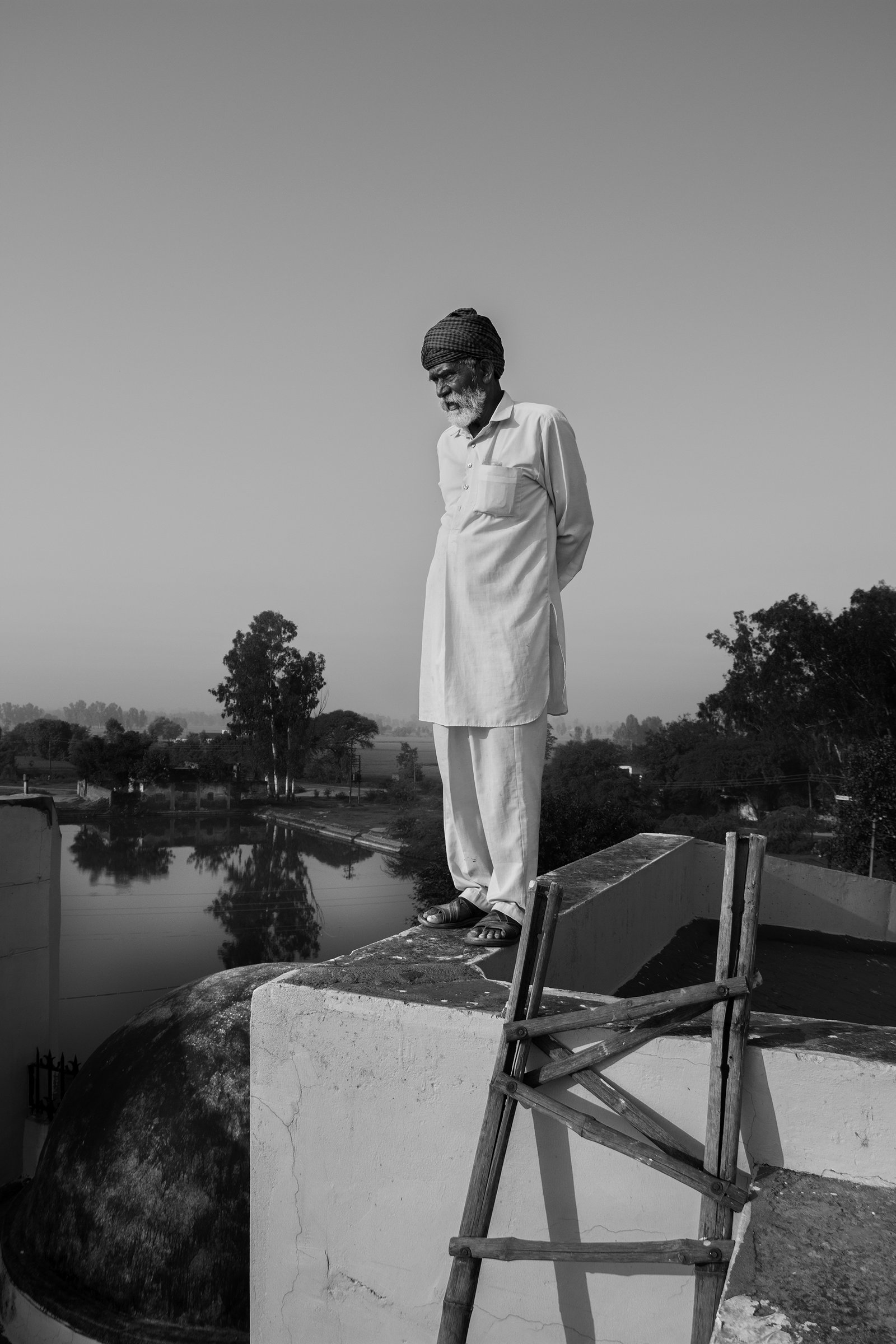


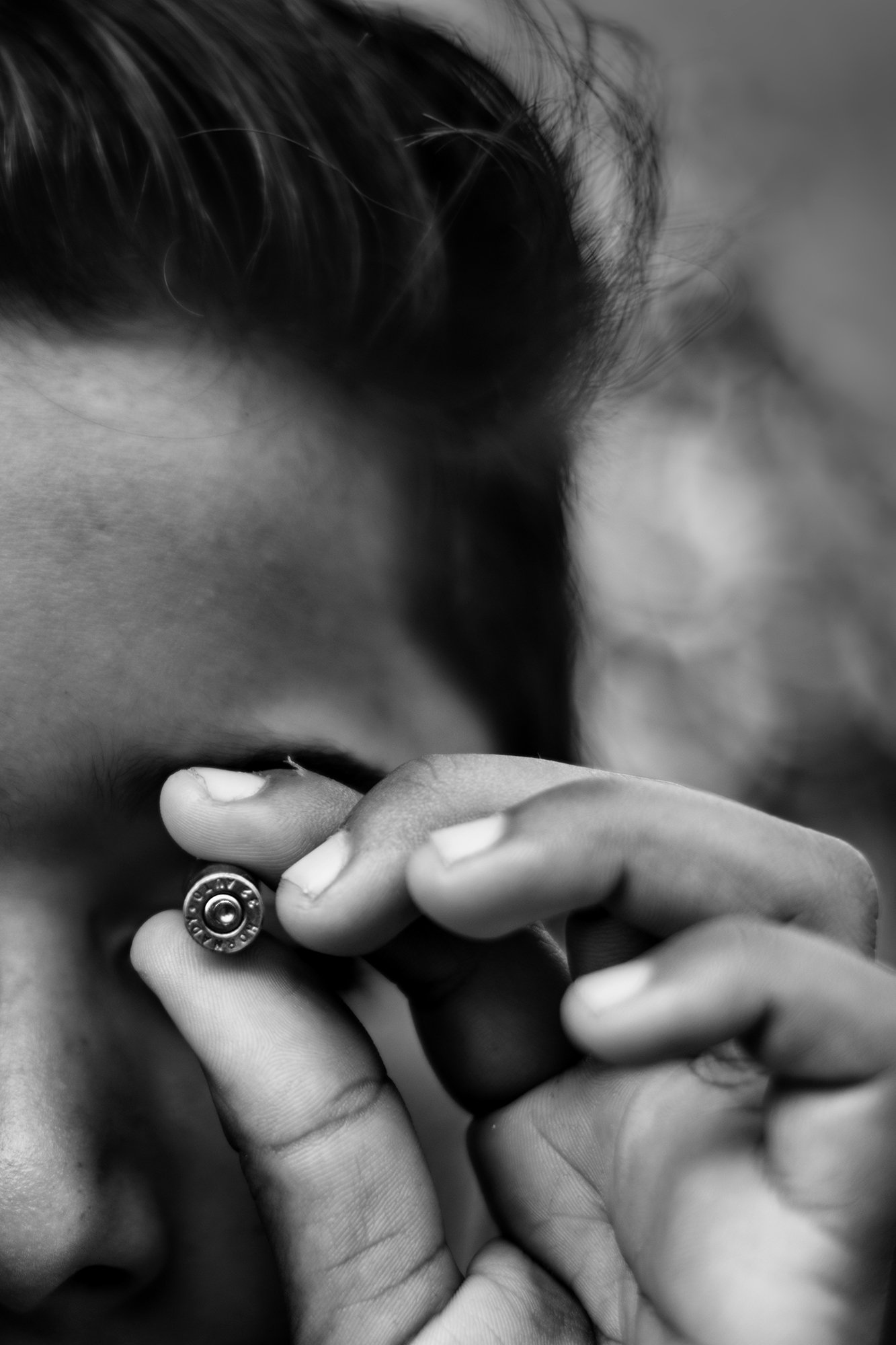

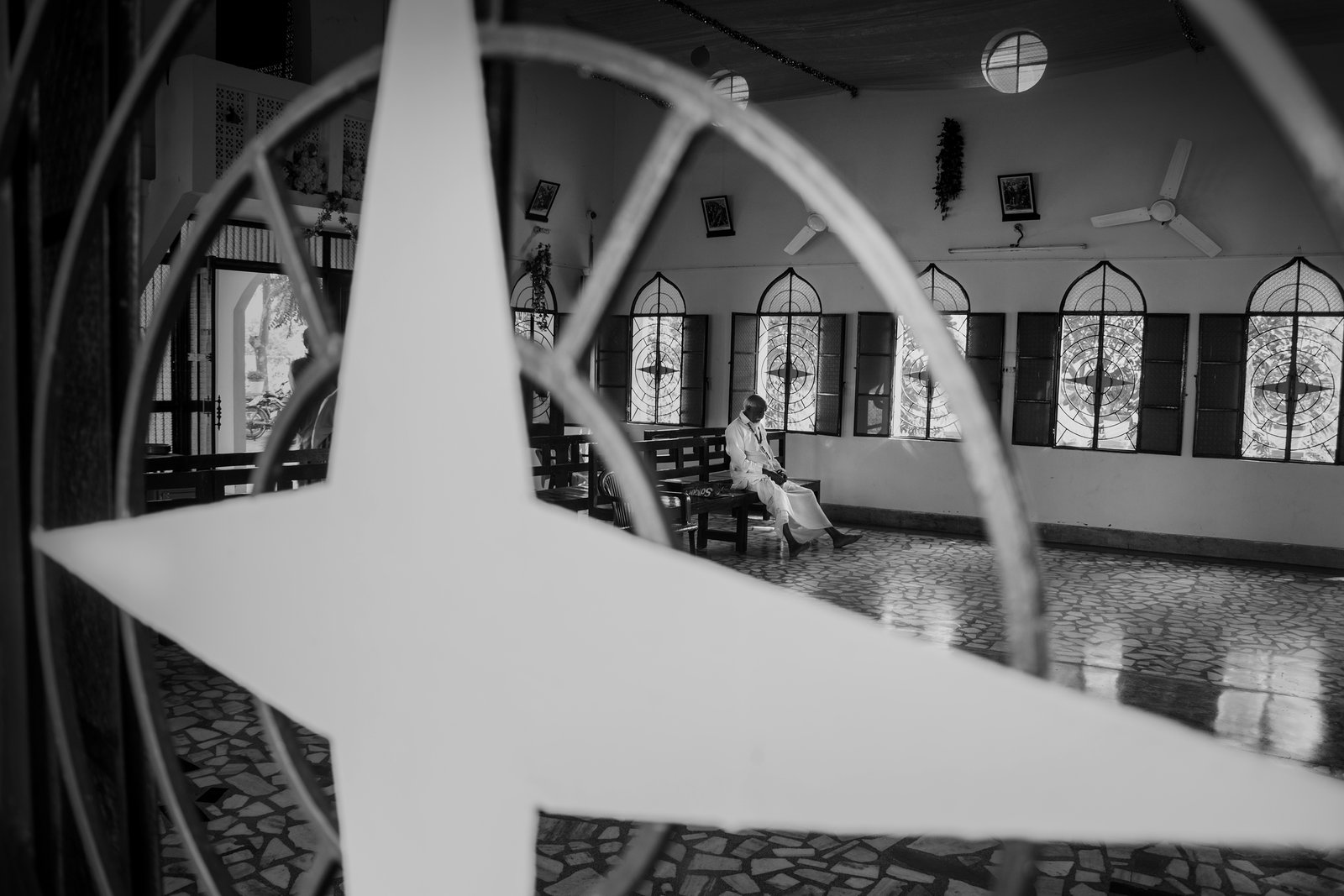
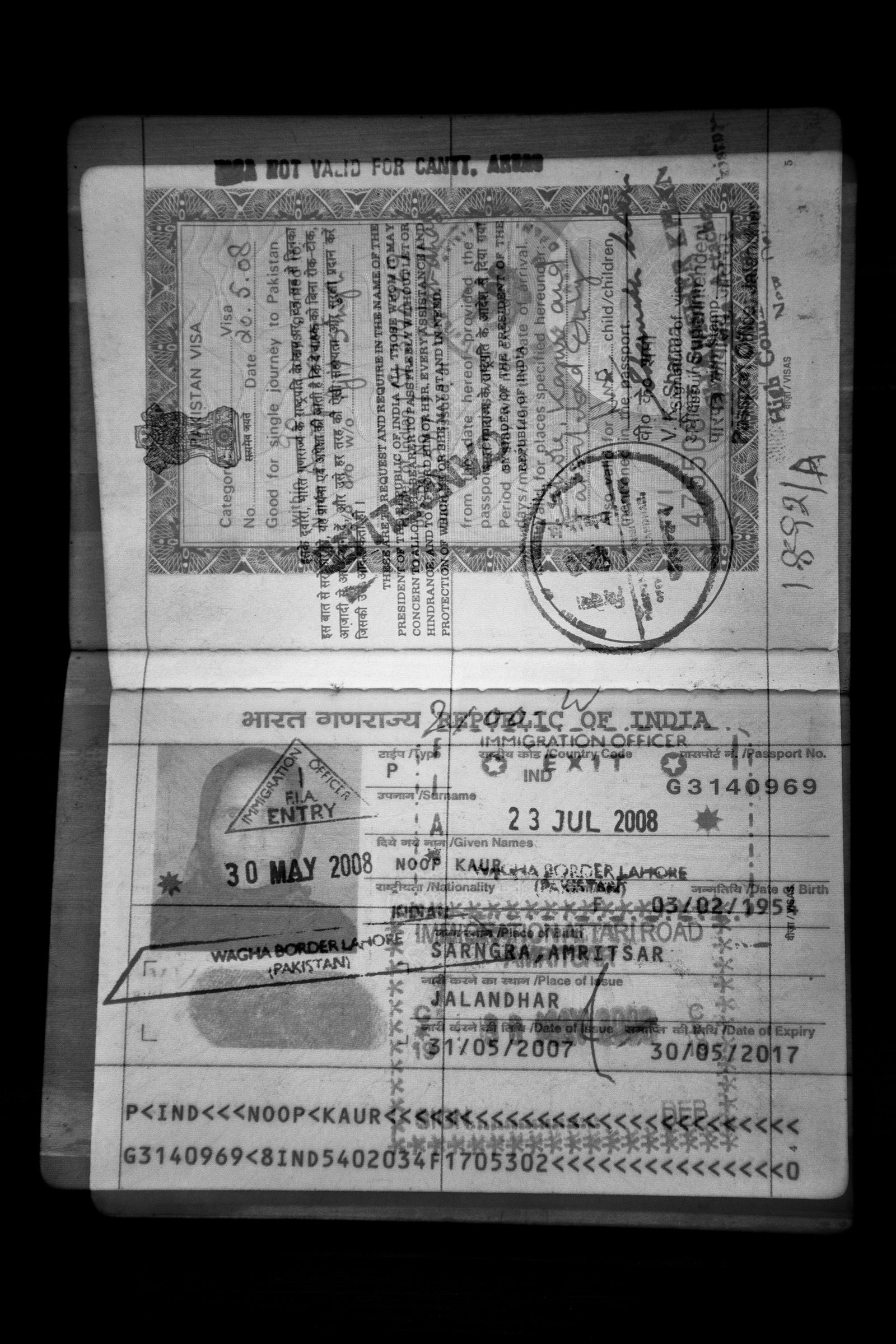
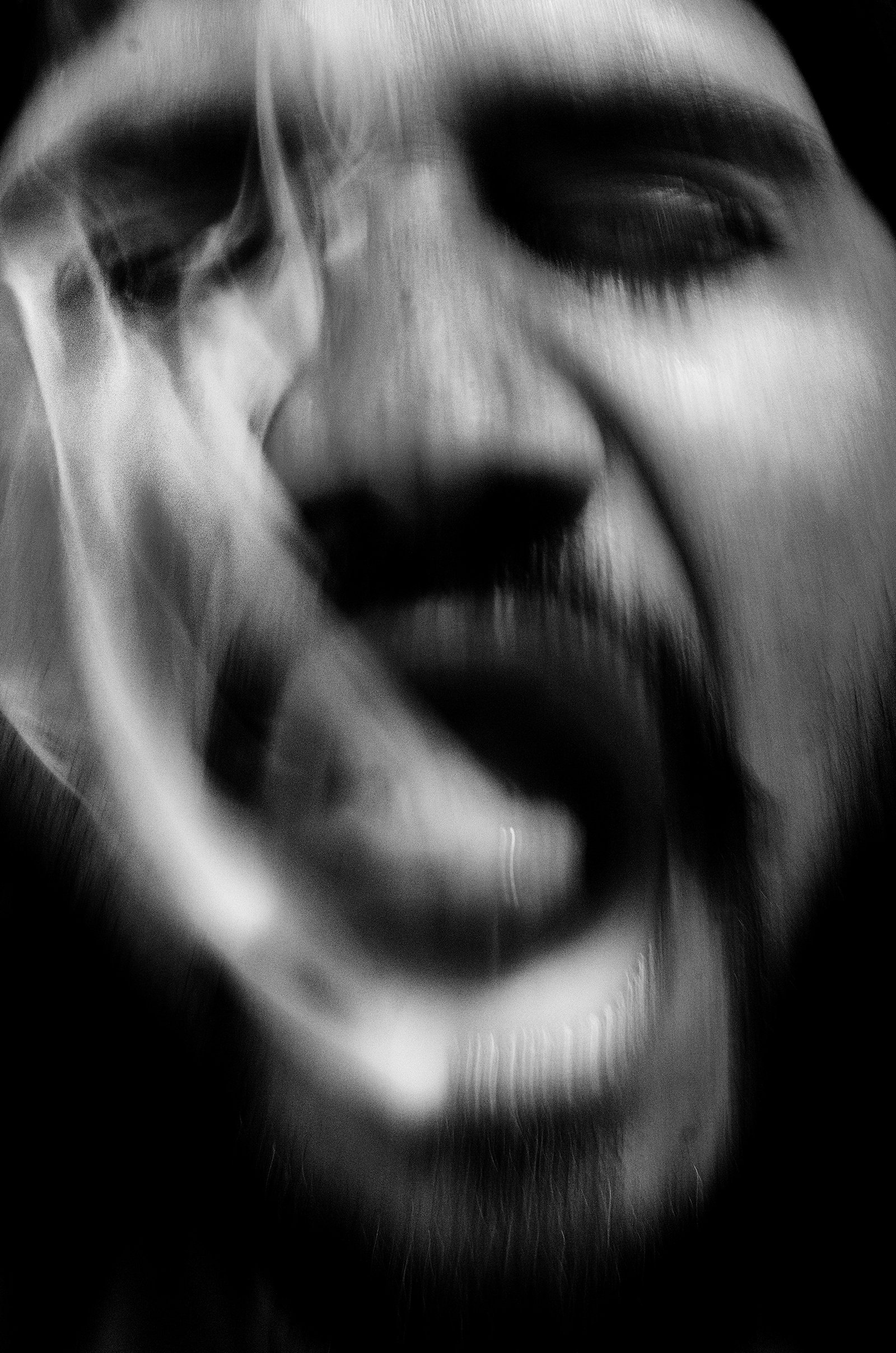
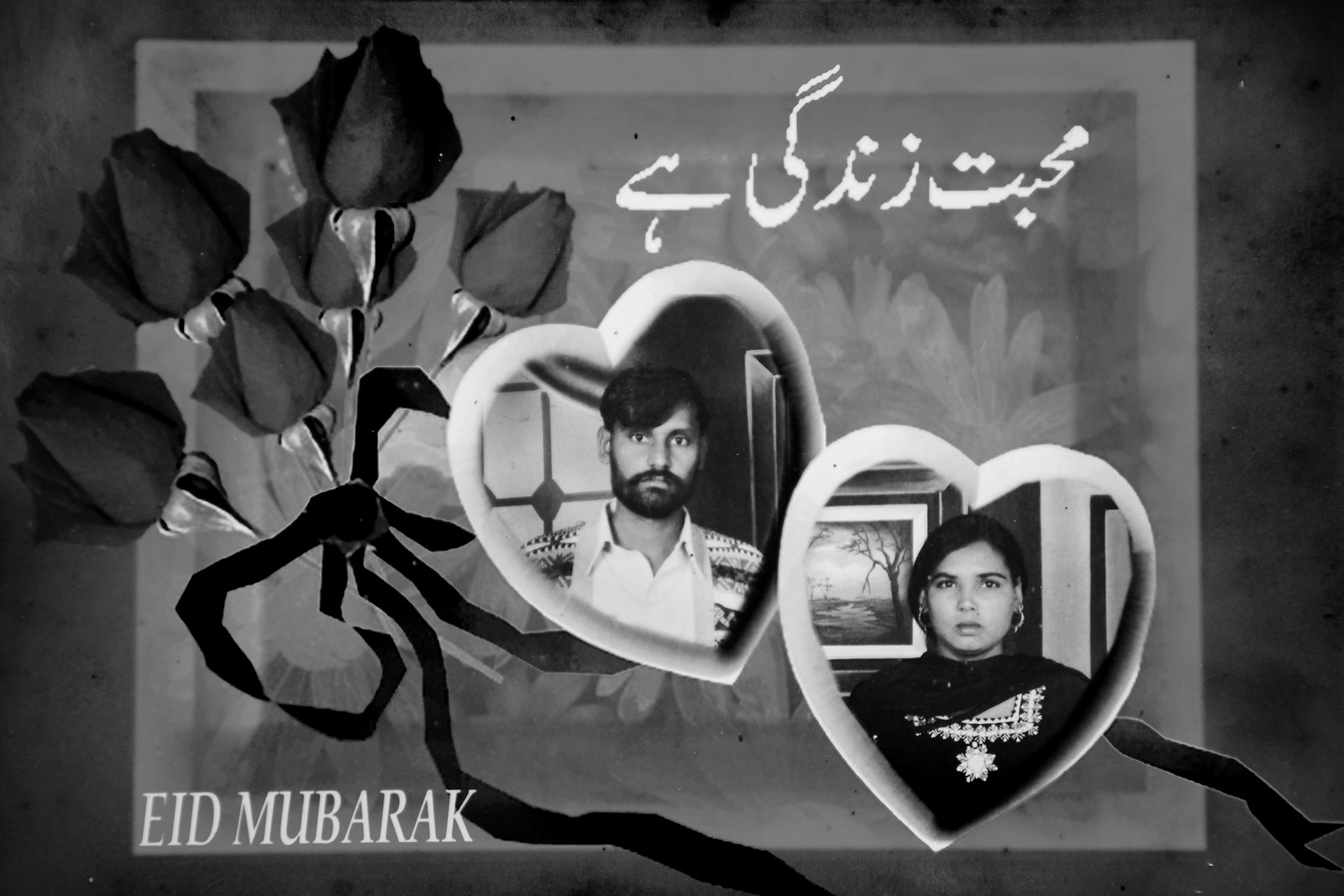


Drawn into Two, Which Way Home? is a visual journey into the present day reality of Indian Punjab, a region scarred by the Partition of India and Pakistan of 1947. The Radcliffe Line, as we say, became a physical manifestation of a division that left behind a history of communal violence, mass displacement, fractured families, intergenerational trauma and corroded memories. Rooted in the stories and histories of communities living along the India-Pakistan border, the project looks at the everyday struggles of identity, displacement, drug abuse, violence, religious fundamentalism, terrorism, female oppression, geopolitically affected communities, and stories of love and longing that continue to shape contemporary Punjab. Through photography, archives, text and installation, the work brings together the memories and experiences of Partition survivors, histories that were erased, crushed and hidden, and the passing of intergenerational trauma that continues to shape the social, cultural and emotional fabric of contemporary Punjab.
The project is a photographic series of 45 photographs, accompanied by archival material, and writings that culminates in an immersive, experience based installation. Inspired by the works of Urvashi Butalia, Anis Kidwai, Anam Zakaria, Saadat Hasan Manto, Nonica Datta and Khushwant Singh, the project brings a visual form to the stories and histories of Partition and Punjab that have largely remained within written records and oral testimonies.


Drawn into Two, Which Way Home? is an immersive, experiential installation that explores the enduring impact and intergenerational trauma of the 1947 Partition of India and Pakistan. It unfolds across three interconnected spaces, inviting the viewer to move physically through the work. Through an interdisciplinary blend of photography, textiles, spatial design, and sensory elements, the installation invites audiences to engage with stories of displacement, memory, intergenerational trauma, and identity that continue to shape lives across South Asia and beyond.
The installation was commissioned as part of the Pennsylvania College of Technology Artist Fellowship and was developed in collaboration with Bollywood film producer Shamsi Abbas.